


- Educational Articles
- 20 December, 2025
A Gentle, Holistic Guide to Vitamins and Minerals
How to nourish your body without turning wellness into a math problem
Prepared on December 20, 2025
There's a moment in almost everyone's health journey where the kitchen starts to look like a pharmacy: a multivitamin on the counter, magnesium by the kettle, vitamin D in the cabinet, iron "just in case." Maybe even a mushroom blend you can't pronounce - but your friend swears it changed their life.
Holistic living doesn't mean avoiding modern tools. It means using them with intention, listening to your body, and remembering that health is a relationship - not a checklist.
This is a grounded, holistic look at why vitamins and minerals matter, when supplements can support you, and how to choose a path that feels nourishing instead of overwhelming.
Holistic health starts with one truth: your body is always communicating
Your body speaks in sensations and patterns: energy, mood, sleep, digestion, cravings, skin, focus. Holistic wellness is the practice of paying attention - not obsessively, but lovingly.
Vitamins and minerals are not "extra." They're the quiet helpers behind nearly everything you do: turning food into energy, building blood and carrying oxygen, supporting hormones and thyroid function, calming the nervous system, repairing tissues, and keeping immunity steady.
When they're missing, the body doesn't always shout. Sometimes it whispers: tired all the time, brittle nails, restless sleep, brain fog, frequent colds, muscle cramps, low mood.
Food first: because nature packages nutrients with wisdom
A holistic approach usually begins with food - not because supplements are "bad," but because whole foods come with co-factors: fiber, enzymes, plant compounds, and the balance your body recognizes.
Think of it like this: a vitamin isolated in a pill is a soloist; a vitamin in food is part of an orchestra.
Minerals like magnesium and potassium are best supported by everyday eating patterns (leafy greens, legumes, nuts, seeds, fruits, whole grains). Vitamins like C and many B vitamins shine
when your plate has color and variety.
Holistic nutrition isn't about perfection. It's about reliability: simple meals you return to again and again.
When supplements can be truly helpful (and very holistic)
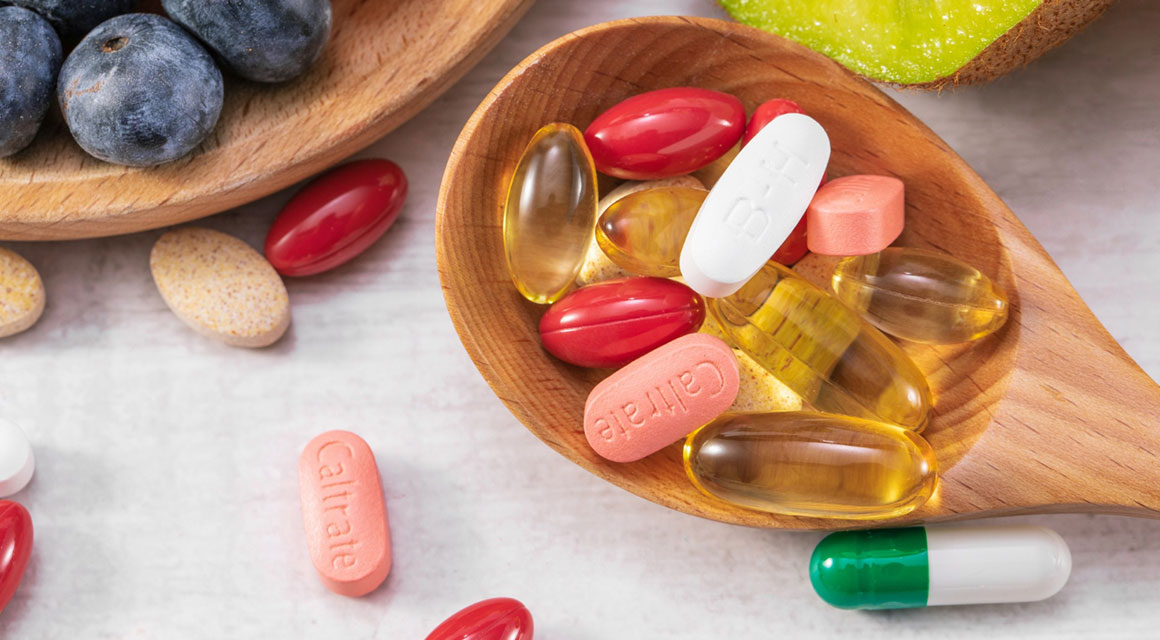
Supplements get a bad reputation when they're used as a shortcut. The holistic view is simpler: use supplements as support, not replacement.
They can make sense when your needs are higher (pregnancy, breastfeeding, adolescence, intense training, aging), when your diet is restricted (plant-based diets often require B12 attention), when life limits nutrient intake (busy schedules or limited sun), when absorption is reduced (certain gut conditions or medications), or when testing shows a real deficiency.
In those cases, a well-chosen supplement is not "cheating." It's targeted care.
The holistic misunderstanding: “If a little is good, more must be better”
This is where wellness goes sideways. Some nutrients are safe within a range, but high doses can throw your system off balance. Holistic health is about harmony - too much can be as disruptive as too little.
Examples: • Iron is powerful if you're deficient, not ideal "just because." • Vitamin D can help, but mega-doses can cause problems. • Zinc is useful short-term; too much can deplete copper. • Vitamin A is essential, but excess can be toxic (especially in pregnancy).
The holistic choice is not fear - it's respect.
A simpler way to think about nutrients: foundations over fads
If you're not sure where to start, don't start with a shopping cart. Start with foundations:
- Hydration and minerals: fatigue can be dehydration plus low
- Blood sugar steadiness: irregular meals can amplify stress and
- Sleep and nervous system support: your body repairs at
- Gut health: absorption matters; slow down meals and notice what your digestion
A perfect supplement won't outwork a struggling foundation - and foundations are often the most "holistic" medicine.
A mindful supplement ritual (if you choose to use them)
If you do supplement, let it be an act of care - not panic.
- Choose one goal (sleep, energy, immune support).
- Start low and slow; add one thing at a
- Notice, don't force: track how you
- Reassess: holistic health is seasonal; you may not need the same support year-
A gentle “common sense” shortlist
Everyone is different, but many people choose to check (not automatically take) these first: vitamin D (low sun exposure), B12 (plant-based diets or low energy/tingling), iron and ferritin (heavy periods, fatigue, hair shedding), and magnesium (often low in modern diets; may support relaxation).
Ideally, this is guided by symptoms, diet, and - when possible - basic lab testing.
Closing thought
The most holistic thing you can do might be this: stop treating your body like it's failing and start treating it like it's adapting.
Instead of asking, "What supplement fixes me?" try asking, "What is my body asking for?" Sometimes the answer is nutrients. Sometimes it's rest. Sometimes it's steady meals, sunlight, movement, or emotional support.
And sometimes, yes - it's a simple supplement used wisely, in the right dose, for the right reason, for the right amount of time.